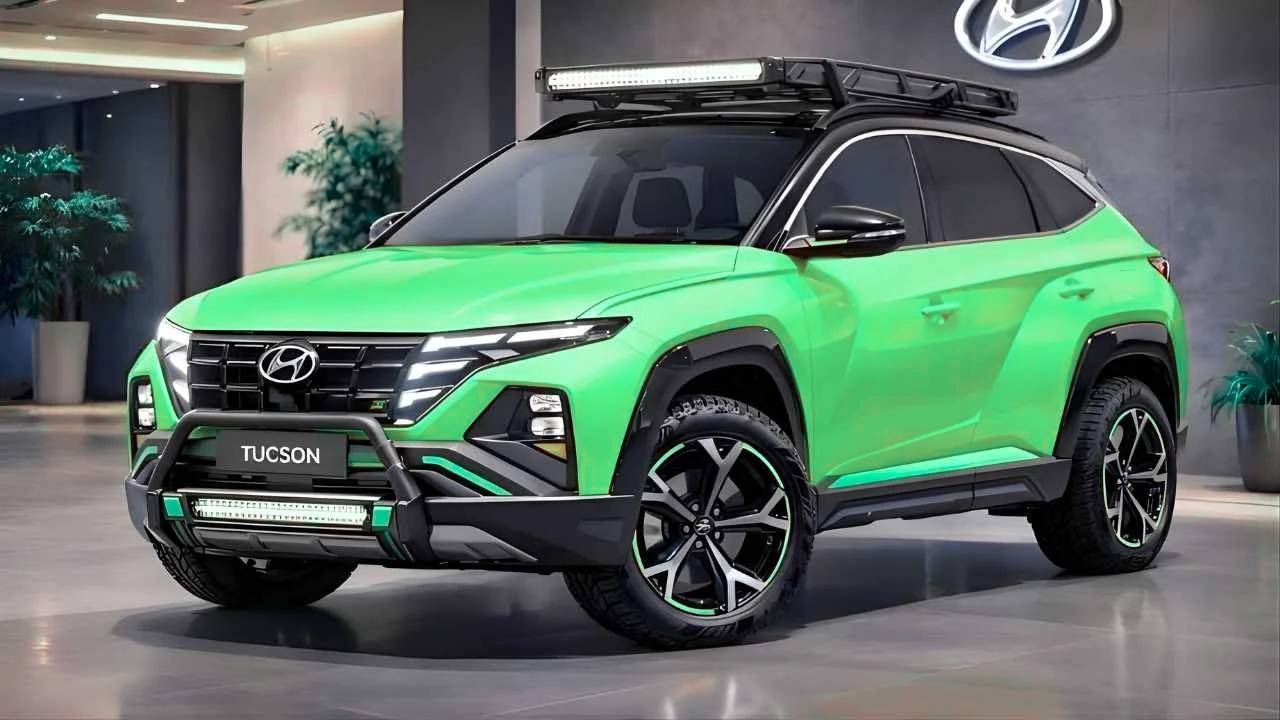
The Hyundai Tucson has been one of the most important models in the compact SUV segment, known for bold styling, strong value, and a feature-rich package. With the latest update, Hyundai aims to refine what already works while addressing areas buyers care about most: technology, comfort, efficiency, and everyday drivability. This first look at the new Hyundai Tucson explores its updated design, cabin features, performance improvements, and key specifications that define its position in a competitive market.
Refreshed Exterior Design
The updated Hyundai Tucson builds on its distinctive design language while introducing subtle but effective refinements. The front fascia receives the most noticeable changes, with a cleaner grille design that integrates more seamlessly with the daytime running lights. The parametric lighting elements remain a signature feature, but they now appear more refined and less angular, giving the SUV a more mature look.
The bumper has been reshaped to improve aerodynamics and visual balance, while revised LED headlamps enhance both style and nighttime visibility. Along the sides, the sculpted body panels remain largely unchanged, preserving the Tucson’s recognizable profile. New alloy wheel designs and updated color options allow buyers to personalize the SUV’s appearance without straying from its modern identity. At the rear, revised LED taillights and a subtly redesigned bumper complete the exterior refresh. The overall result is a Tucson that feels fresher and more premium, while still standing out in traffic.
Interior Layout and Comfort Upgrades
Inside, the updated Hyundai Tucson focuses on improved usability and a cleaner, more intuitive layout. The dashboard design has been refined with a stronger emphasis on horizontal lines, creating a wider and more open feel. Materials throughout the cabin have been upgraded, with improved soft-touch surfaces and higher-quality trim finishes on the doors and center console.
Seating comfort has also been enhanced. The front seats offer better cushioning and support, making long drives more comfortable, while the rear seats continue to provide generous legroom for passengers. The flat rear floor improves comfort for middle-seat occupants, a practical advantage for families.
Cabin noise insulation has been improved, resulting in a quieter ride at highway speeds. Small details, such as redesigned air vents and a simplified control layout, contribute to a more relaxed and user-friendly interior experience.
Infotainment and Connected Technology
Technology is one of the Tucson’s strongest selling points, and the updated model takes it further. A larger central touchscreen now serves as the focal point of the dashboard, offering sharper graphics and faster response times. The infotainment system supports wireless smartphone connectivity, allowing seamless access to navigation, music, and calls.
A fully digital instrument cluster provides customizable display options, enabling drivers to prioritize navigation, driving data, or safety alerts. Voice commands have been improved, making it easier to control functions without taking hands off the steering wheel.
Additional convenience features include wireless charging, multiple USB-C ports for front and rear passengers, and over-the-air software updates on select variants. These updates help ensure the Tucson remains technologically relevant throughout its ownership cycle.
Powertrain Options and Performance
The updated Hyundai Tucson continues to offer a range of powertrain options designed to suit different driving needs and markets. Petrol and diesel engines remain available in many regions, delivering a balance of performance and efficiency. These engines have been refined to provide smoother acceleration and reduced emissions.
Hybrid and plug-in hybrid variants play a growing role in the Tucson lineup. The hybrid version combines a petrol engine with an electric motor to deliver responsive acceleration, especially in city driving, while maintaining impressive fuel efficiency. The plug-in hybrid adds the ability to drive short distances on electric power alone, appealing to buyers looking to reduce fuel costs and emissions.
On the road, the Tucson delivers a composed and comfortable driving experience. Suspension tuning prioritizes ride comfort, absorbing road imperfections with ease, while steering remains light and predictable. Improvements to chassis rigidity and suspension calibration result in better stability during cornering without sacrificing comfort.

Fuel Efficiency and Driving Experience
Fuel efficiency has been a key focus of the update. Revised engine tuning and improved aerodynamics contribute to better real-world mileage across the range. Hybrid models, in particular, offer excellent efficiency in urban environments, where the electric motor can handle low-speed driving and frequent stops.
The Tucson’s driving experience feels refined and confident. It is easy to maneuver in tight spaces, thanks to good visibility and responsive steering. Highway driving is relaxed, with minimal wind and road noise, reinforcing its appeal as a comfortable daily driver.
Safety and Driver Assistance Features
Safety remains a priority for Hyundai, and the updated Tucson comes equipped with an expanded suite of driver assistance features. Standard safety systems include automatic emergency braking, lane-keeping assist, forward collision warning, and driver attention monitoring.
Higher trims add features such as adaptive cruise control, blind-spot monitoring, rear cross-traffic alert, and a surround-view camera system. These technologies work together to enhance driver confidence and reduce the stress of everyday driving, particularly in traffic-heavy environments. The Tucson’s strong structural design and advanced safety systems make it a reassuring choice for families and long-distance commuters alike.
Space, Practicality, and Everyday Use
Practicality continues to be a key strength of the Hyundai Tucson. The boot offers generous cargo space, easily accommodating luggage, groceries, or sports equipment. Folding rear seats expand cargo capacity further, making the Tucson suitable for road trips and active lifestyles.
Interior storage solutions have been thoughtfully designed, with large door pockets, a spacious center console, and multiple cup holders. The wide-opening doors and comfortable seating position make getting in and out easy for passengers of all ages.

Specs and Expected Variants
While exact specifications may vary by market, the updated Hyundai Tucson is expected to offer multiple trims catering to different budgets and preferences. Entry-level variants focus on value and essential features, while higher trims add luxury touches, advanced technology, and electrified powertrains. Buyers can expect a range of wheel sizes, interior color options, and technology packages, allowing them to tailor the Tucson to their needs without stepping into a higher vehicle class.
Final Thoughts
The updated Hyundai Tucson builds on an already strong foundation with thoughtful design refinements, smarter technology, and improved efficiency. Rather than reinventing the SUV, Hyundai has focused on enhancing everyday usability, comfort, and driving confidence. With its modern styling, advanced features, and diverse powertrain options, the Tucson remains a compelling choice in the compact SUV segment and continues to appeal to buyers seeking a well-rounded, future-ready vehicle.
